 Partner with Us
  Referring Provider Portal
  Patients: Request Appointment
  Contact Us


Cataract Surgery
Cataracts are one of the most common and most treatable causes of vision loss in adults. When the eye’s natural lens becomes cloudy, no prescription can restore clarity.
 The experienced ophthalmologists at AVP•SEES Group provide advanced cataract surgery and a full range of lens options across Virginia and Tennessee.
What are Cataracts?
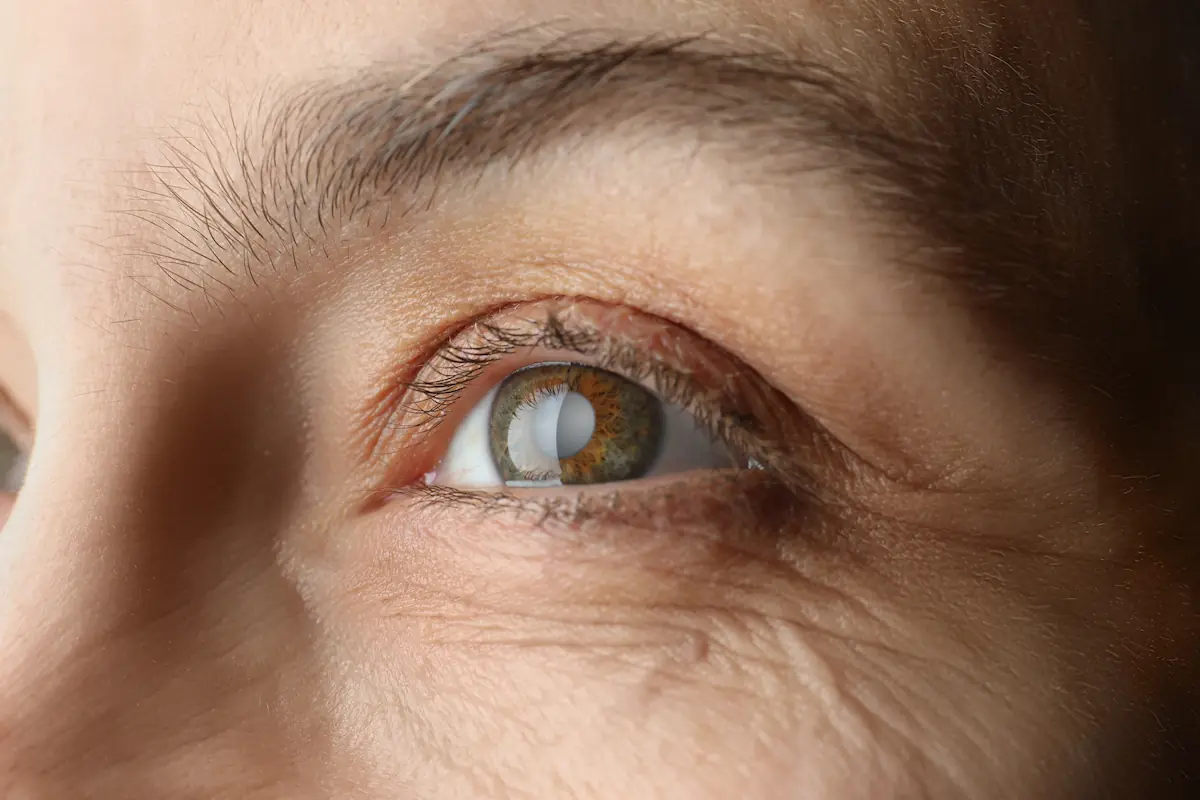
Your eye’s natural lens is made almost entirely of water and tightly packed proteins, arranged with extraordinary precision to keep it clear. Over time, those proteins break down, clump together, and scatter incoming light instead of focusing it. This is exactly what a cataract is: not a growth, not a film over your eye, but your own lens becoming structurally opaque. The result is vision that feels permanently fogged, colors that look washed out, and glare at night that no prescription lens can fully correct.
The
 Trusted Source
Blindness and vision impairment — fact sheet
World Health Organization
Go to Source
World Health Organization
identifies uncorrected refractive errors and cataracts as the two leading causes of vision impairment and blindness worldwide. In the United States, the National Eye Institute reports that by
Trusted Source
What is cataract surgery?
American Academy of Ophthalmology.
Go to Source
age 80,
more than half of all Americans either have a cataract or have had cataract surgery. Cataracts are highly treatable, and most patients see dramatically improved vision within days of surgery.
Trusted Source
Blindness and vision impairment — fact sheet
World Health Organization
Go to Source
World Health Organization
identifies uncorrected refractive errors and cataracts as the two leading causes of vision impairment and blindness worldwide. In the United States, the National Eye Institute reports that by
Trusted Source
What is cataract surgery?
American Academy of Ophthalmology.
Go to Source
age 80,
more than half of all Americans either have a cataract or have had cataract surgery. Cataracts are highly treatable, and most patients see dramatically improved vision within days of surgery.
Common cataract risk factors include:
- Natural aging, the most significant factor
- Diabetes
- Long-term use of corticosteroid medications
- Extended UV exposure without protective eyewear
- Smoking
- Prior eye injury or surgery
- Family history of early cataract development
Cataract Symptoms: How Do You Know It’s Time?
Cataracts rarely appear overnight. Most people notice a gradual shift in how they see that updated glasses or contact lenses can no longer fully correct.
Signs that cataracts may be affecting your vision:
- Blurry, hazy, or dim vision that persists even with a current prescription
- Glare and halos around headlights, lamps, or oncoming traffic at night
- Difficulty driving after dark due to reduced contrast or light sensitivity
- Colors looking washed out, faded, or yellowed
- Frequent prescription changes that don’t bring lasting improvement
- Double vision in one eye (monocular diplopia)
- Needing brighter light to read or do close-up tasks
If you are experiencing any of these symptoms, a comprehensive eye exam is the right next step. Your AVP•SEES provider can confirm whether a cataract is contributing to your vision changes and whether you are a candidate for surgical treatment. Patients across Virginia and Tennessee can find an AVP•SEES Group location on our Locations page.
How Cataract Surgery Works
Cataract surgery is one of the most commonly performed outpatient procedures in medicine, taking roughly 15 to 20 minutes with patients going home the same day.
Anesthetic drops numb the eye throughout, and most patients report feeling pressure or warmth rather than pain.
During the procedure, your surgeon creates a small incision (approximately 2 to 3 mm) at the edge of the cornea, makes a circular opening in the front of the lens capsule, and uses an ultrasound probe to break up and suction away the cloudy lens.
A clear artificial lens (IOL) is then inserted into the lens capsule, where it unfolds and self-positions. Because the incision is small, sutures are rarely needed and healing is typically fast. According to the American Academy of Ophthalmology, serious complications are rare, occurring in
Trusted Source
What is cataract surgery?
American Academy of Ophthalmology.
Go to Source
fewer than 1%
of cases.
The artificial lens used to replace your natural one plays a significant role in your vision after surgery. Today’s IOL options are designed to help you see clearly at near, intermediate, and distance ranges — with many patients experiencing a greatly reduced need for eyewear, or none at all. Your AVP•SEES surgeon will help you identify the best option for your eyes, lifestyle, and visual goals.
Laser-Assisted Cataract Surgery: The ALLY System
Laser-assisted cataract surgery using the ALLY Adaptive Cataract Treatment System by LENSAR is available through AVP•SEES Group. The ALLY system uses femtosecond laser technology with Adaptive Intelligence to automate key steps of the procedure, including cataract density assessment, lens fragmentation, and corneal incisions. This level of automation allows for greater precision than manual techniques alone.
Key advantages of the ALLY system include:
- AI-guided imaging that creates a detailed 3D map of your eye for more precise surgical planning
- Automated cataract density analysis that optimizes fragmentation patterns and energy settings for each individual patient
- More precise capsulotomy and IOL positioning, which is particularly beneficial for patients choosing toric or premium lenses
- Reduced ultrasound energy use during surgery, which minimizes stress on surrounding tissue and supports faster visual recovery
- Superior astigmatism management for patients requiring toric IOL correction
Your AVP•SEES surgeon will advise whether laser-assisted cataract surgery is appropriate for your eyes and goals.

Your Intraocular Lens (IOL) Options
Choosing your replacement lens is one of the most meaningful decisions in cataract surgery. Today’s IOL technology can restore clear vision and, depending on the lens selected, reduce or eliminate dependence on glasses.
Here’s a side-by-side look at your options:





Clear distance vision; most straightforward option
Patients with astigmatism
Reducing glasses dependence for near and far
Intermediate and computer vision; active lifestyles
Patients seeking the most precise refractive result
Yes, usually for reading
Less for distance; yes for near
Minimal for most tasks
May need for fine print
Very low
Low
Low
Moderate
Lower than multifocal
Similar to monofocal
Covered by Medicare/insurance
Base covered; upgrade out-of-pocket
Premium; out-of-pocket upgrade
Premium; out-of-pocket upgrade
Premium; upgrade and adjustments out-of-pocket
Monofocal IOLs
The standard option covered by Medicare and most insurance plans, monofocal lenses deliver excellent clarity at one distance, typically far. Most patients still wear reading glasses for close-up tasks. Monofocal lenses carry the longest clinical track record and the lowest risk of night-vision disturbances.
Toric IOLs
Designed for patients with corneal astigmatism, toric lenses correct that distortion at the same time as cataract removal. A systematic
Trusted Source
Toric IOLs in cataract surgery: systematic review and meta-analysis of 13 RCTs
Hirnschall N, et al.
Go to Source
review
and meta-analysis of 13 randomized controlled trials confirmed that toric IOLs provide superior uncorrected distance vision and greater freedom from glasses compared to non-toric lenses, without increasing complication risk.
Presbyopia-Correcting and Premium IOLs
For patients who want to reduce or eliminate their dependence on glasses, premium presbyopia-correcting lenses offer a broader range of vision than a standard monofocal lens. These include multifocal, trifocal, and extended depth-of-focus (EDOF) lenses, each designed to provide functional vision across a range of distances, from near and intermediate to far. A published
Trusted Source
Cost-Effectiveness Analysis of Multifocal Intraocular Lenses Compared to Monofocal Intraocular Lenses in Cataract Surgery.
Hu JQ, Sarkar R, Sella R, Murphy JD, Afshari NA.
Go to Source
cost-effectiveness analysis
found that presbyopia-correcting IOLs were associated with meaningful quality-of-life gains driven largely by reduced dependence on corrective eyewear. A subset of patients does notice halos around lights at night, particularly in the first months after surgery. Premium lenses involve out-of-pocket costs beyond what Medicare covers.
Light Adjustable Lens (LAL)
The LAL is the only FDA-approved IOL that can be customized after cataract surgery. Once your eye has healed, your surgeon uses a UV light delivery device to fine-tune the lens power, allowing a level of precision not possible with fixed lenses. A
Trusted Source
Light Adjustable Lens Results of Spherical Equivalent and Astigmatism Correction from the FDA Post-Approval Study.
Holladay JT, Haller JA.
Go to Source
post-approval study
found that LAL-treated eyes achieved significantly lower residual astigmatism and better uncorrected distance visual acuity compared to standard toric IOL controls. It is particularly well-suited to patients who have had prior refractive surgery such as LASIK.
Important: UV-protective glasses must be worn between adjustment sessions and until the final light treatment locks in your prescription permanently. Skipping this step can cause unintended changes to the lens power, which may negatively affect your customized vision outcome.
The right lens is a personal decision. During your consultation, your AVP•SEES surgeon will help you weigh your lifestyle, visual goals, and eye health to find the best fit.
What to Expect: Before, During, and After Surgery
Before Your Procedure
Your preoperative appointment includes a comprehensive dilated eye exam, corneal topography, and precise biometry measurements to calculate your ideal IOL power. Your surgeon will review your full health history, including any conditions like diabetes that can affect healing, and walk through your lens options in detail.
Day of Surgery
You’ll arrive at your AVP•SEES surgical center and be taken care of by a dedicated surgical team. Anesthetic drops will numb your eye, and light sedation is available to help you feel relaxed and comfortable throughout. You’ll be awake but calm, and the procedure itself moves quickly. Plan to have someone drive you home.
After Surgery
Most patients notice significantly brighter, clearer vision within 24 to 72 hours. Some light sensitivity, mild redness, or visual fluctuation in the first few days is entirely normal. You’ll be prescribed antibiotic and anti-inflammatory drops to prevent infection and reduce swelling, and you’ll have a follow-up appointment within the first 24 to 48 hours.
Typical recovery milestones:
- Days 1 to 3: Noticeably brighter vision; some blur and sensitivity to light is normal
- Weeks 1 to 4: Vision continues to sharpen and stabilize
- 4 to 6 weeks: Final glasses prescription (if needed) can typically be filled
- 1 to 3 months: Full visual stability; all normal activities resumed
Trusted Source
Predictors of recovery time after cataract surgery
Tadesse BE, et al.
Go to Source
Recovery timelines
may vary based on patient age, health conditions, and surgical complexity. Your AVP•SEES care team will provide personalized post-operative instructions tailored to you.

Risks and What’s Normal
Cataract surgery has one of the strongest safety profiles in all of surgery, with serious complications occurring in fewer than 1% of cases.
Some mild side effects in the first few days are normal and expected, including grittiness, redness, light sensitivity, temporary dry eye, and a brief elevation in eye pressure. These typically resolve on their own.
Less common but known risks include cystoid macular edema (CME), a fluid buildup in the central retina that typically appears 4 to 6 weeks after surgery. A
Trusted Source
Risk factors and cumulative incidence of cystoid macular edema: meta-analysis of 143 studies.
Kessel L, et al.
Go to Source
meta-analysis
of 143 studies estimated a cumulative CME incidence of approximately 5%, with higher rates in patients with diabetes or underlying retinal disease. CME is treatable and resolves with anti-inflammatory drops in most cases.
Retinal detachment following cataract surgery is rare, with an absolute risk under 0.4% on average. Contact your care team immediately if you notice a sudden increase in floaters, flashes of light, or a shadow across your vision after surgery.
Posterior Capsular Opacification (PCO)
PCO is one of the most common developments after cataract surgery, occurring when residual lens cells cloud the posterior capsule months or years after the procedure. Patients often mistake it for their cataract returning, but it is not. PCO is easily and painlessly corrected with a quick in-office laser treatment.
Insurance and Medicare Coverage
Medicare Part B covers cataract surgery as a medically necessary procedure, including the surgeon fee, facility fee, and a standard monofocal IOL, after your deductible and 20% coinsurance. One of Medicare’s rare exceptions is that it also covers one pair of glasses or contact
Trusted Source
Eyeglasses and contact lenses coverage
Medicare.gov
Go to Source
lenses
after cataract surgery with an IOL implant.
Premium lens upgrades, including toric, multifocal, EDOF, and Light Adjustable Lenses, are typically not covered by Medicare and carry out-of-pocket costs. Laser-assisted surgery is also billed as a premium upgrade and is not covered by standard Medicare.
Most private insurance and Medicare Advantage plans follow the same general framework: medically necessary cataract surgery with a standard lens is covered; premium features are patient-funded.
AVP•SEES Group practices accept a wide range of insurance plans. Contact your nearest location to verify your specific coverage and get a transparent estimate of any out-of-pocket costs before your procedure.
Why Choose AVP•SEES Group
AVP•SEES Group is one of the most experienced ophthalmology and optometry networks in the Southeast and Mid-Atlantic, with decades of combined clinical history across practices spanning Virginia, Tennessee, and Alabama. The network includes 100+ physicians, 55+ surgeons, and 88+ locations.
Our physicians retain full clinical independence within a supportive network structure, meaning your surgeon’s recommendations are based on your eyes and your goals. Each affiliated practice, including Harman Eye Center, VisionAmerica, and partner locations across the network, brings deep local expertise backed by the resources of a much larger organization.
Our cataract surgical teams offer:
- Experienced ophthalmologists with advanced subspecialty training in anterior segment and refractive surgery
- Fellowship-trained surgeons experienced across the full spectrum of IOL technology, from standard monofocal lenses to the Light Adjustable Lens
- Integrated Ophthalmology & Optometry Care, so your optometrist and your surgeon coordinate your entire care journey, before surgery and after
- Comprehensive eye exams and cataract evaluations at locations throughout Virginia and Tennessee
- Accredited ambulatory surgery centers (ASCs) equipped with advanced surgical technology across the network

Frequently Asked Questions
How Do I Know If I Need Cataract Surgery?
If your vision has become consistently blurry, glare is making night driving difficult, or your glasses prescription keeps changing without a lasting improvement in clarity, it may be time for a cataract evaluation. Surgery is typically recommended when cataracts begin to interfere with daily activities. Patients in Virginia and Tennessee can contact AVP•SEES Group to schedule a cataract evaluation at a location near them.
Is Cataract Surgery Painful?
Cataract surgery is performed with anesthetic eye drops that numb the eye thoroughly throughout the procedure. Most patients feel no pain, only mild pressure or warmth. Light sedation is available to keep you comfortable and relaxed. Some grittiness or mild soreness in the first day or two after surgery is normal and typically resolves on its own.
How Long Does Recovery Take?
Most patients notice noticeably clearer, brighter vision within 1 to 3 days of surgery. Full visual stability generally takes 4 to 8 weeks, though individual recovery timelines can vary based on age, overall health, and surgical complexity. Your care team will give you a personalized timeline.
Can Both Eyes Be Done at the Same Time?
Typically no. Each eye is done in a separate procedure, usually a few weeks apart. This allows the first eye to heal and stabilize, gives your surgeon useful information for refining the second eye’s lens selection, and reduces the risk of simultaneous complications.
What’s the Difference Between a Monofocal and a Premium IOL?
A monofocal lens provides excellent clarity at one focal distance, typically far, and most patients still use reading glasses for close tasks. Premium lenses (toric, multifocal, EDOF, LAL) are designed to reduce or eliminate dependence on glasses by addressing astigmatism or providing a broader range of focus. Premium lenses involve out-of-pocket costs beyond what Medicare covers. The right choice depends on your lifestyle, visual priorities, and eye anatomy.
Will My Cataract Grow Back?
No. Once the cloudy lens is removed, it cannot return. However, a condition called posterior capsular opacification (sometimes called a “secondary cataract”) can develop months or years after surgery as residual cells cloud the lens capsule. This is common and easily corrected with a quick, painless in-office laser treatment.
How Much Does Cataract Surgery Cost?
Out-of-pocket costs vary depending on the lens you choose and whether laser assistance is part of your procedure. Patients who opt for a standard monofocal lens with traditional surgery typically pay only their deductible and coinsurance after insurance. Those who choose premium lenses or laser-assisted surgery will have additional costs beyond what Medicare or private insurance covers. Contact your nearest AVP•SEES Group location for a transparent estimate before your procedure.
Where Can I Find Cataract Surgery Near Me in Virginia, Tennessee, or Alabama?
AVP•SEES Group operates a network of ophthalmology and optometry practices across Virginia, Tennessee and Alabama, including practices affiliated with Harman Eye Center, VisionAmerica, and SouthEast Eye Specialists. With 100+ physicians across the network, there’s a highly experienced cataract surgery team near you. Visit our Locations page to find the AVP•SEES Group practice nearest to you.

Schedule Your Cataract Consultation
Clear, bright vision could be just one conversation away.
If blurry vision, glare, or difficulty with everyday activities is affecting your quality of life, the board-certified ophthalmologists at AVP•SEES Group are here to help. Schedule a cataract evaluation at an AVP•SEES Group location in Virginia or Tennessee to get a thorough eye exam, a clear explanation of your options, and a treatment plan built around your goals.
1 World Health Organization. Blindness and vision impairment — fact sheet. https://www.who.int/news-room/fact-sheets/detail/blindness-and-visual-impairment
2 National Eye Institute (NIH). Cataracts. https://www.nei.nih.gov/learn-about-eye-health/eye-conditions-and-diseases/cataracts
3 Nass M, et al. Advanced glycation end products in diabetic and non-diabetic patients with age-related cataract. PMC3168597. https://pmc.ncbi.nlm.nih.gov/articles/PMC3168597/
4 Hirnschall N, et al. Toric IOLs in cataract surgery: systematic review and meta-analysis of 13 RCTs. PubMed 26601819. https://pubmed.ncbi.nlm.nih.gov/26601819/
5 Hu JQ, Sarkar R, Sella R, Murphy JD, Afshari NA. Cost-Effectiveness Analysis of Multifocal Intraocular Lenses Compared to Monofocal Intraocular Lenses in Cataract Surgery. Am J Ophthalmol. 2019;208:305–312. https://pubmed.ncbi.nlm.nih.gov/30905724/
6 Holladay JT, Haller JA. Light Adjustable Lens Results of Spherical Equivalent and Astigmatism Correction from the FDA Post-Approval Study. PubMed 41664266. https://pubmed.ncbi.nlm.nih.gov/41664266/
7 U.S. Food and Drug Administration. Summary of Safety and Effectiveness Data: Light Adjustable Lens (P160055). https://www.accessdata.fda.gov/cdrh_docs/pdf16/P160055b.pdf
8 RxSight. Light Adjustable Lens — only FDA-approved adjustable IOL. https://rxsight.com
9 Tadesse BE, et al. Predictors of recovery time after cataract surgery. PMC12023361. https://pmc.ncbi.nlm.nih.gov/articles/PMC12023361/
10 American Academy of Ophthalmology. What is cataract surgery? https://www.aao.org/eye-health/diseases/what-is-cataract-surgery
11 Kessel L, et al. Risk factors and cumulative incidence of cystoid macular edema: meta-analysis of 143 studies. PMC12168746. https://pmc.ncbi.nlm.nih.gov/articles/PMC12168746/
12 Erie JC, et al. Incidence of retinal detachment after cataract surgery. PMC3447164. https://pmc.ncbi.nlm.nih.gov/articles/PMC3447164/
13 Medicare.gov. Eyeglasses and contact lenses coverage. https://www.medicare.gov/coverage/eyeglasses-contact-lenses
Leadership at AVP•SEES Group has either authored or reviewed and approved this content.