 Partner with Us
  Referring Provider Portal
  Patients: Request Appointment
  Contact Us


Pediatric Eye Care And Treatment
Pediatric eye care addresses vision and eye health concerns in infants, children, and adolescents, including amblyopia, strabismus, blocked tear ducts, and pediatric cataracts or glaucoma.
 AVP•SEES Group provides pediatric eye exams, diagnosis, and treatment for patients across Virginia, Tennessee, and Alabama. Early evaluation helps protect a child's vision and development.
Pediatric Eye Care at AVP•SEES Group
A child’s vision changes quickly, and many childhood eye conditions show few, if any, warning signs. AVP•SEES Group pediatric eye care specialists evaluate and treat these conditions for infants, children, and adolescents across Virginia, Tennessee, and Alabama. We work alongside parents, pediatricians, and referring optometrists to help protect a child’s long-term vision and development.
Why Pediatric Eye Exams Matter
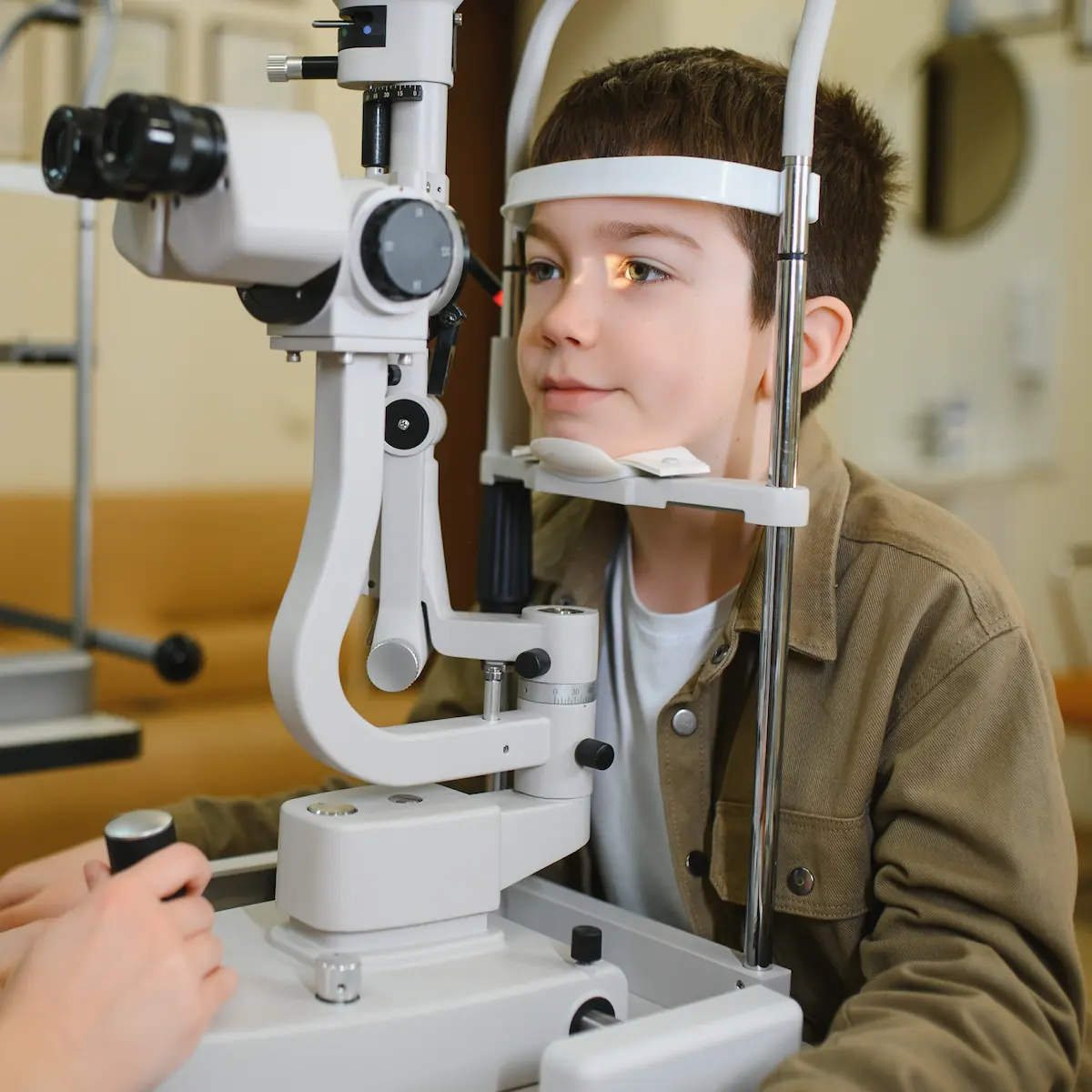
Vision develops quickly during a child’s early years, and much of that development happens before a child can describe what they are seeing. Routine eye exams give parents and providers an early window into that development.
Conditions such as amblyopia and strabismus often cause no obvious symptoms in their early stages. Delayed diagnosis can lead to permanent vision loss in the affected eye.
According to the American Academy of Ophthalmology, early pediatric eye exams help identify concerns that affect school performance and
 Trusted Source
https://www
American Academy of Ophthalmology — Children’s Eye Screening
Go to Source
development.
These include eye tracking, hand-eye coordination, and depth perception.
Trusted Source
https://www
American Academy of Ophthalmology — Children’s Eye Screening
Go to Source
development.
These include eye tracking, hand-eye coordination, and depth perception.
Pediatric Eye Conditions We Treat
Our pediatric eye care specialists evaluate and treat a wide range of childhood vision and eye health concerns. This ranges from common refractive errors to more complex medical and surgical conditions.
- Amblyopia (lazy eye)
- Strabismus (crossed eyes)
- Blocked tear ducts
- Pediatric and congenital cataracts
- Pediatric glaucoma
- Conjunctivitis (pink eye)
- Refractive errors
- Eye tracking and alignment concerns
Pediatric Amblyopia (Lazy Eye)
Amblyopia, often called lazy eye, is one of the most common causes of vision loss in children. It develops when one eye and the brain do not work together properly. Common causes include strabismus, an uncorrected need for glasses, or another structural eye issue. According to the American Academy of Ophthalmology, early treatment works best because a child’s visual pathways are still
Trusted Source
Amblyopia (Lazy Eye)
American Academy of Ophthalmology
Go to Source
developing.
Treatment may include glasses, patching, atropine drops, or surgery.
Pediatric Strabismus (Crossed Eyes)
Strabismus, or crossed eyes, occurs when a child’s eyes point in different directions instead of working together. Left untreated, it can affect depth perception, motor skill development, and self-confidence, and may also contribute to amblyopia. Treatment ranges from glasses and vision therapy to strabismus surgery, depending on the type and severity of the misalignment.
Pediatric Blocked Tear Ducts
Blocked tear ducts are one of the most common eye concerns in newborns. Most resolve without treatment in the first several months of life. Tearing or discharge that continues past that window deserves a closer look. When a blockage persists, our oculoplastic specialists can perform a brief surgical procedure to reopen the drainage pathway. This relieves the irritation it causes.
Pediatric Cataracts
Cataracts are best known as an age-related condition, but infants and children can also develop them. Cataracts present at birth are called congenital cataracts, and early treatment is important for a child’s visual development. Depending on severity, treatment may involve monitoring or surgery to restore clear vision.
Pediatric Glaucoma
Pediatric glaucoma is far less common than the adult form, but it can still affect infants and children. It may be present at birth or triggered by an injury or another untreated eye condition. According to the National Eye Institute, glaucoma often develops with few or no obvious warning
Trusted Source
https://www
National Eye Institute — Glaucoma
Go to Source
signs.
Parents are more likely to notice a cloudy or enlarged eye, light sensitivity, or frequent blinking than one defining symptom. Treatment options include glaucoma-specific medication and, in more advanced cases, glaucoma surgery.
Pediatric Conjunctivitis (Pink Eye)
Conjunctivitis, or pink eye, causes redness and inflammation in the white part of the eye and surrounding tissue. Causes vary widely, from viral and bacterial infections to allergies or a lingering blocked tear duct. Treatment depends on identifying the underlying cause first.
Why Choose AVP•SEES Group
AVP•SEES Group is one of the region’s most comprehensive specialty eye care networks, serving patients across Virginia, Tennessee, and Alabama.
- 40+ years of dedicated service to the community
- 50,000+ successful procedures performed each year
- 100+ physicians across our network
- Board-certified ophthalmologists and fellowship-trained specialists
- Active memberships in professional organizations such as the American Academy of Ophthalmology (AAO) and the American Association for Pediatric Ophthalmology and Strabismus (AAPOS)
Pediatric Eye Care FAQ
What signs suggest my child needs an eye exam?
Consider scheduling an exam if a parent, pediatrician, teacher, or optometrist notices vision concerns or eye misalignment. Other signs include frequent squinting, eye rubbing, headaches, or a developmental delay related to vision. Regular pediatric eye exams in early childhood help catch concerns before they affect long-term vision.
What is amblyopia, or lazy eye?
Amblyopia is reduced vision in one eye that typically develops before age 6. It can result from strabismus, an uncorrected need for glasses, or other structural eye conditions, and early treatment helps prevent permanent vision loss.
How does strabismus affect a child’s development?
Strabismus can affect depth perception, motor skills, and visual development, and may contribute to amblyopia if it is not treated.
How common are blocked tear ducts in newborns?
Blocked tear ducts are common in newborns and often clear on their own. If tearing or discharge continues beyond the first few months, a pediatric eye specialist can evaluate whether treatment is needed.
Can children develop cataracts or glaucoma?
Yes. Although both conditions are more common in adults, infants and children can develop cataracts or glaucoma, and early treatment supports healthy visual development.
What conditions do pediatric eye doctors treat?
Our pediatric eye doctors evaluate and treat children’s vision problems, including amblyopia, strabismus, refractive errors, blocked tear ducts, pediatric cataracts, pediatric glaucoma, and other conditions affecting eye health and development.

Find a Pediatric Eye Care Provider
If you have noticed vision concerns, eye misalignment, or other changes in your child’s eyes, one of our pediatric eye care specialists can help. Our team of more than 100 physicians serves patients at locations across Virginia, Tennessee, and Alabama, backed by more than 40 years of combined experience and over 50,000 procedures performed each year.
1 American Academy of Ophthalmology — Children’s Eye Screening. https://www.aao.org/eye-health/tips-prevention/children-eye-screening
2 American Academy of Ophthalmology — Amblyopia (Lazy Eye). https://www.aao.org/eye-health/diseases/amblyopia-lazy-eye
3 National Eye Institute — Glaucoma. https://www.nei.nih.gov/eye-health-information/eye-conditions-and-diseases/glaucoma
Leadership at AVP•SEES Group has either authored or reviewed and approved this content.