 Partner with Us
  Referring Provider Portal
  Patients: Request Appointment
  Contact Us


Glaucoma Treatment And Surgery
Glaucoma is a group of progressive eye diseases that damage the optic nerve and can cause irreversible vision loss if left untreated.
 AVP•SEES Group provides advanced diagnosis, personalized treatment, and surgical glaucoma care for patients across Virginia, Tennessee, and Alabama.
Glaucoma Diagnosis And Treatment
Glaucoma is the name for a group of eye diseases that gradually damage the optic nerve, the pathway responsible for carrying visual signals from the eye to the brain. This damage is most often linked to elevated intraocular pressure, though it can occur even when eye pressure is within a normal range.
AVP•SEES Group glaucoma specialists diagnose, treat, and manage this condition over the long term for patients throughout Virginia, Tennessee, and Alabama. Our ophthalmologists pair advanced diagnostic technology with individualized treatment plans, working alongside referring optometrists so care stays coordinated at every step.
Advanced Glaucoma Testing And Diagnosis
Glaucoma frequently causes no noticeable symptoms until it has already progressed, which is why regular, thorough eye exams matter for catching it early. According to the Centers for Disease Control and Prevention,
 Trusted Source
Glaucoma
Centers for Disease Control and Prevention
Go to Source
millions
of Americans have glaucoma, and nearly half are unaware they have the condition.
Trusted Source
Glaucoma
Centers for Disease Control and Prevention
Go to Source
millions
of Americans have glaucoma, and nearly half are unaware they have the condition.
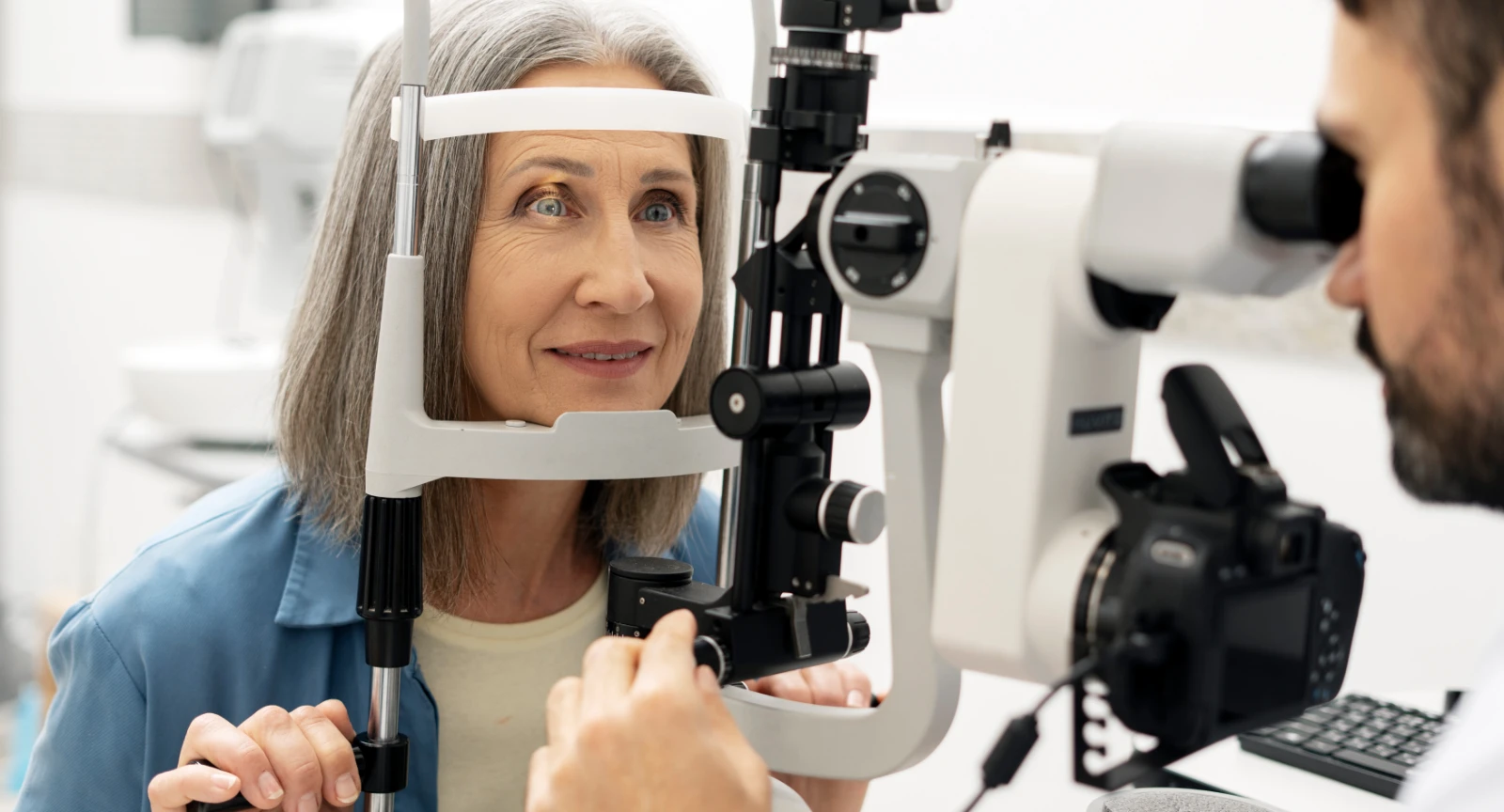
Our specialists use a range of diagnostic tests to evaluate eye pressure and optic nerve health:
- Tonometry, which measures the pressure inside the eye
- Ophthalmoscopy, to examine the shape and color of the optic nerve
- Perimetry (visual field testing), to detect peripheral vision loss
- Gonioscopy, which examines the eye’s drainage angle
- Pachymetry, to measure corneal thickness, which can affect pressure readings
Together, these results let our glaucoma specialists pinpoint which type of glaucoma is present and how advanced it is, so they can recommend the right course of treatment.

Understanding The Different Forms Of Glaucoma
Open-Angle Glaucoma
Primary open-angle glaucoma accounts for most glaucoma cases. It tends to progress slowly in both eyes at once, as the eye’s internal drainage system gradually loses efficiency and pressure builds over time.
Symptoms of open-angle glaucoma include:
- Gradual loss of peripheral vision
- Trouble adjusting to dim or low-light settings
- Subtle vision shifts that are easy to miss at first
Because this form progresses so gradually, a comprehensive eye exam is often the only way to catch it before vision loss occurs.
Angle-Closure Glaucoma
Angle-closure glaucoma develops when the drainage angle in the eye narrows or closes off, triggering a rapid rise in eye pressure. It often strikes just one eye and can quickly turn into a medical emergency.
Symptoms of angle-closure glaucoma include:
- Intense, sudden eye pain
- Blurry or clouded vision
- Rainbow-colored halos around lights
- A pounding headache
- Nausea, sometimes with vomiting
Without prompt treatment, this can result in permanent vision loss.
Personalized Glaucoma Treatment
There is currently no cure for glaucoma, but early intervention can effectively slow or halt its progression. Treatment focuses on lowering intraocular pressure to protect the optic nerve from further damage.
Medical Management
Prescription eye drops are typically tried first. They lower eye pressure either by cutting down how much fluid the eye makes or by helping it drain more efficiently. Some patients end up needing more than one drop to keep pressure in a safe range, so our doctors check in periodically and adjust the regimen as needed.
Laser Glaucoma Treatments
If eye drops are insufficient or cause side effects, laser therapy may be recommended. According to a
Trusted Source
SLT Study
The Lancet
Go to Source
study
published in The Lancet, Selective Laser Trabeculoplasty (SLT) is an effective and safe treatment for lowering intraocular pressure and can reduce the need for daily medication.
Laser glaucoma treatments may include:
- Selective Laser Trabeculoplasty (SLT)
- Laser Peripheral Iridotomy (LPI)
Surgical Glaucoma Care
When glaucoma reaches an advanced stage, or keeps progressing despite medication and laser therapy, our specialists may recommend surgery.
Minimally Invasive Glaucoma Surgery (MIGS) uses microscopic equipment and small incisions to improve the eye’s natural drainage, and can often be performed alongside cataract surgery. According to the American Academy of Ophthalmology, MIGS offers a
Trusted Source
What Is MIGS
American Academy of Ophthalmology
Go to Source
safer
alternative to traditional surgery for patients with mild to moderate disease.
For advanced cases, traditional filtering surgery such as trabeculectomy may be necessary. Research published in the American Journal of Ophthalmology indicates that trabeculectomy remains a
Trusted Source
Trabeculectomy Study
American Journal of Ophthalmology
Go to Source
highly successful
intervention for lowering intraocular pressure and preserving visual function in advanced glaucoma.
Many of these procedures are performed in our Ambulatory Surgery Centers, outpatient facilities designed for safe, efficient, same-day surgical care.
Why Choose AVP•SEES Group
AVP•SEES Group is one of the region’s most comprehensive specialty eye care networks, serving patients across Virginia, Tennessee, and Alabama.
- 40+ years of dedicated service to the community
- 50,000+ successful procedures performed each year
- 100+ physicians across our network
- Board-Certified Ophthalmologists and Fellowship-Trained Specialists
- Active memberships in the American Academy of Ophthalmology (AAO) and the American Society of Cataract and Refractive Surgery (ASCRS)
Glaucoma FAQ
What is glaucoma?
Glaucoma describes a group of eye conditions that gradually damage the optic nerve, most often tied to elevated eye pressure. Left unmanaged, it can progress to vision loss.
Who should be checked for glaucoma?
Regular screening is recommended for anyone with elevated eye pressure, a relative who has had glaucoma, diabetes, an older age, or an optic nerve that looks suspicious on exam.
Does glaucoma cause symptoms early on?
Most types of glaucoma produce little to no warning signs early on, which is exactly why regular exams and testing matter so much.
Will I need to use eye drops after glaucoma surgery?
This depends on the procedure and how your eye responds to treatment. Many patients find their reliance on eye drops reduced or eliminated after procedures like SLT or MIGS, though your ophthalmologist will monitor pressure closely and adjust your regimen as needed.
How long does it take to recover from glaucoma surgery?
Recovery varies by procedure. Minimally invasive surgeries and laser treatments typically involve a short recovery, with many patients resuming normal activities within a few days. Traditional filtering surgery may require a longer healing process.

Schedule Your Glaucoma Consultation
If you have been diagnosed with glaucoma, have a family history of the disease, or are noticing changes in your vision, don’t wait to seek evaluation. Our fellowship-trained specialists proudly serve patients across Virginia, Tennessee, and Alabama, and are ready to build a personalized treatment plan for you.
1 Centers for Disease Control and Prevention — Glaucoma. https://www.cdc.gov/visionhealth/basics/ced/index.html
2 The Lancet — SLT Study. https://pubmed.ncbi.nlm.nih.gov/30862377/
3 American Academy of Ophthalmology — What Is MIGS. https://www.aao.org/eye-health/diseases/what-is-migs
4 American Journal of Ophthalmology — Trabeculectomy Study. https://pubmed.ncbi.nlm.nih.gov/22245458/
Leadership at AVP•SEES Group has either authored or reviewed and approved this content.